Eco-Friendly Floristry: How to Choose Sustainable Flowers and Reduce Your Environmental Footprint
Eco-Friendly Floristry: How to Choose Sustainable Flowers and Reduce Your Environmental Footprint
As awareness around sustainability grows, flower lovers everywhere are paying closer attention to where their blooms come from and how they are handled. While flowers are natural gifts from the earth, traditional commercial floristry can involve chemical pesticides, non-recyclable floral foam, and heavy carbon footprints from long-distance transport.
By adopting eco-friendly floral choices, you can enjoy stunning arrangements while supporting sustainable agriculture and protecting the environment. Here is how to make greener, more sustainable floral choices every time you shop.
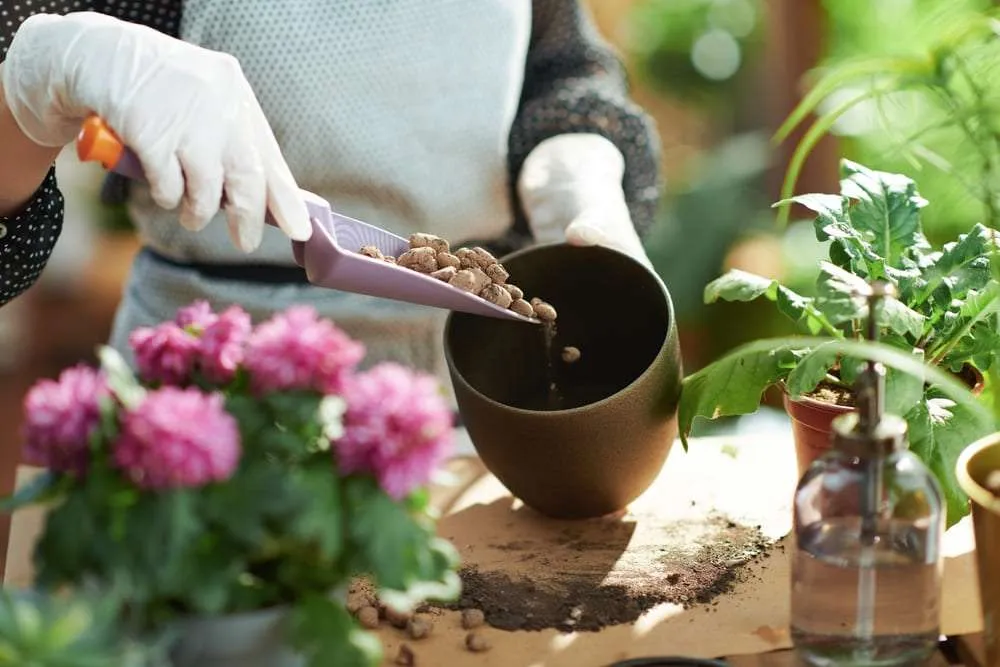
1. Opt for Locally Grown and Seasonal Blooms
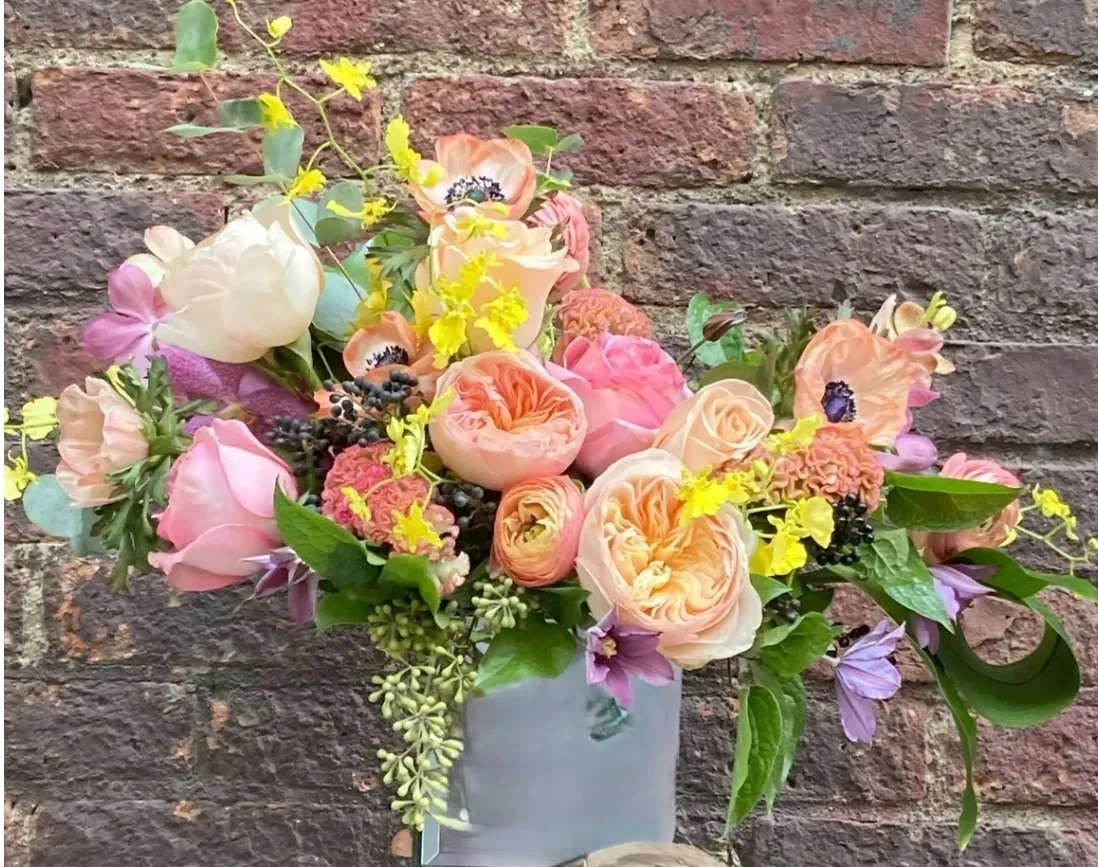
One of the simplest ways to lower the environmental impact of your bouquet is to choose flowers that are currently in season and grown locally.
-
Lower Carbon Footprint: Locally sourced flowers do not require long-distance air freight or refrigerated transport over thousands of miles.
-
Fresher Quality: Flowers picked from local farms reach your vase much faster, lasting significantly longer than imported blooms.
-
Support Local Farmers: Buying seasonal varieties directly supports small, independent flower growers in your region.
2. Say No to Single-Use Floral Foam
Traditional green floral foam (Oasis) is a petroleum-based plastic product that does not biodegrade. It crumbles into microplastics that end up polluting water systems and harm marine life.
-
Sustainable Alternatives: Modern eco-conscious florists use reusable materials such as chicken wire, metal flower frogs (Kenzan), or natural twigs to hold stems in place.
-
Vase Arrangements: Opting for vase arrangements filled with plain water and nutrient food is the most natural and zero-waste way to display flowers.
3. Choose Plastic-Free and Recyclable Packaging
Commercial flower packaging often relies heavily on glossy plastic wrap, synthetic ribbons, and non-recyclable cellophane.
-
Eco-Friendly Wrapping: Look for bouquets wrapped in unbleached craft paper, biodegradable tissue paper, or organic cotton mesh.
-
Natural Accents: Tied with natural jute twine, linen ribbon, or cotton cord, sustainable packaging offers a charming, rustic aesthetic that feels both authentic and elegant.
4. Repurpose or Compost Your Spent Flowers
When your fresh flowers eventually reach the end of their vase life, don’t throw them into the general trash bin.
-
Home Composting: Fresh flower stems and organic leaves make excellent compost for your outdoor garden or potted plants.
-
Drying Flowers: Petals from roses, hydrangeas, and lavenders can be hung upside down in a dark room to dry, creating beautiful everlasting arrangements or scented potpourri for your home.
💡 The Future of Sustainable Gifting: Choosing sustainable blooms allows you to express love and appreciation without compromising the planet. Next time you place an order, ask your florist about their eco-friendly practices and locally grown options!