Top Floral Design Trends Defining Modern Floral Aesthetics
Top Floral Design Trends Defining Modern Floral Aesthetics
Floral design is evolving rapidly, blending traditional floristry with contemporary interior trends, fine art aesthetics, and eco-conscious lifestyle choices. Modern floral design is no longer just about arranging flowers in a neat bundle; it has become an expressive art form that celebrates organic movement, rich textures, and thoughtful color palettes.
Whether you are planning a high-profile event, decorating your living space, or searching for a unique gift, here are the top floral design trends currently shaping modern floral aesthetics.
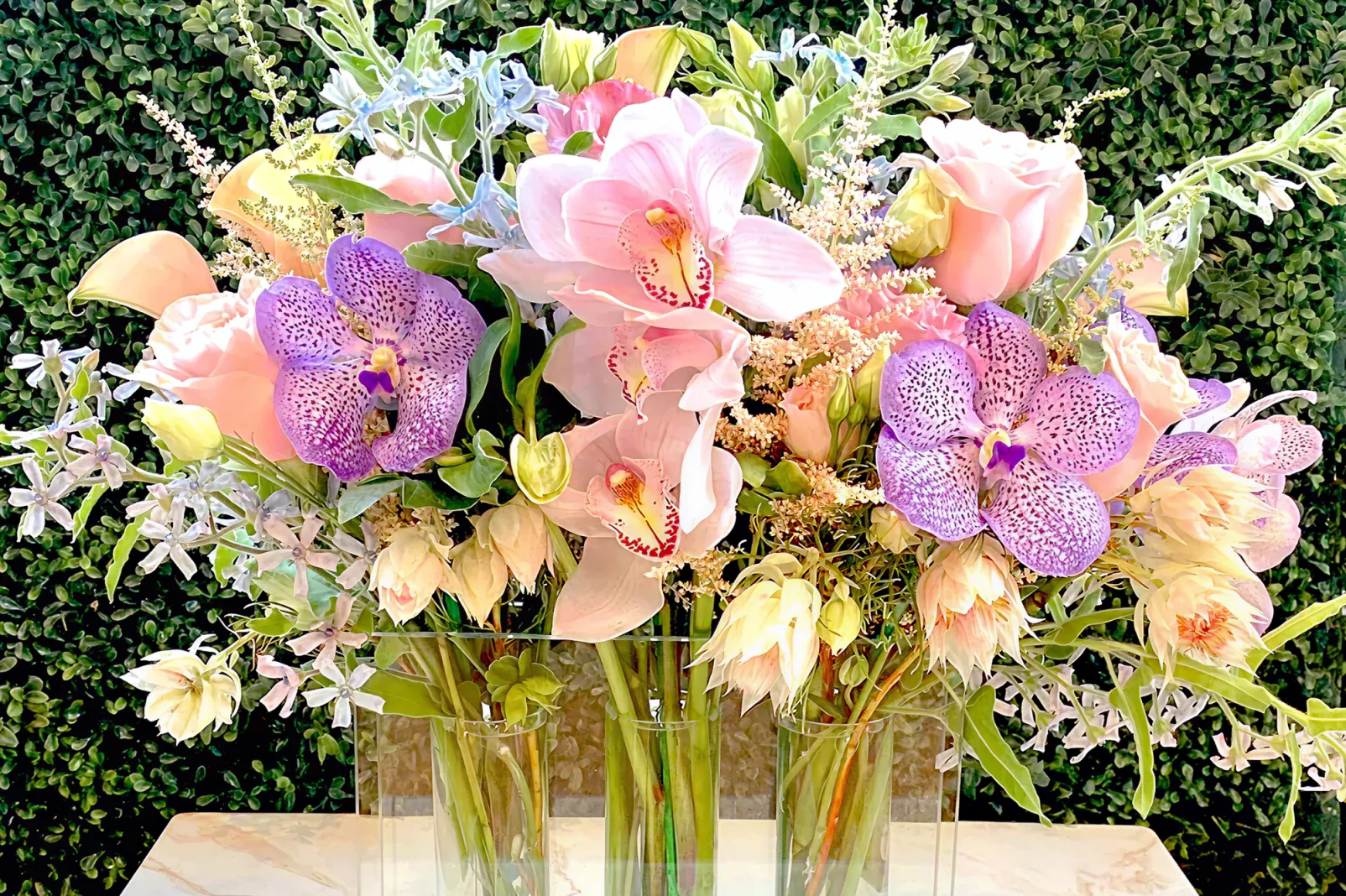
1. Wild and Organic Garden-Style Arrangements
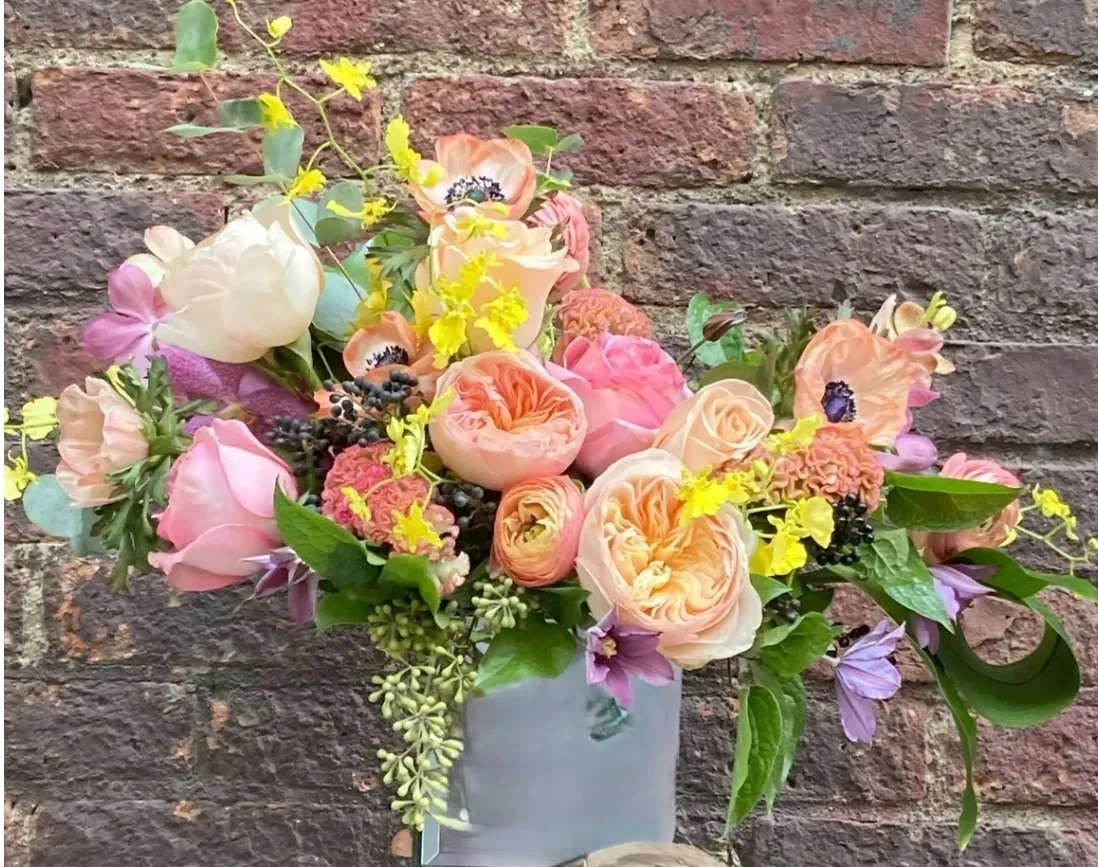
The era of rigid, tightly packed, perfectly round bouquets is stepping aside for a more whimsical, natural aesthetic. Modern floral artists are leaning heavily into “garden-style” arrangements that look as though they were gathered directly from a sunlit meadow.
-
Key Characteristics: Varied stem lengths, asymmetrical shapes, loose foliage, and natural movement.
-
Featured Elements: Delphiniums, ranunculus, sweet peas, eucalyptus, and trailing vines.
-
The Vibe: Effortless, romantic, and deeply connected to nature.
2. Monochromatic and Tonal Color Palettes
Rather than mixing contrasting colors, modern floristry favors tonal layering—using flowers within the exact same color family to create a sophisticated, high-fashion look.
-
Key Characteristics: A single dominant hue explored through varying shades, tints, and textures.
-
Popular Palettes: * Earthy Neutrals: Terracotta, nude, dusty rose, and sand.
-
Moody Romantics: Deep burgundy,plum, and velvet red.
-
Soft Pastels: Blush pink, butter yellow, and lavender.
-
-
The Vibe: Luxurious, minimalist, and visually striking.
3. Sustainable and Eco-Friendly Floristry
Sustainability is no longer a luxury—it is a core value in modern floral design. Florists and consumers alike are prioritizing environmentally friendly techniques that reduce waste and support local ecosystems.
-
Key Practices:
-
Foam-Free Design: Replacing traditional floral foam (which contains microplastics) with reusable chicken wire, flower frogs (kenzan), or natural branch structures.
-
Locally Sourced Blooms: Partnering with local flower farms to minimize the carbon footprint associated with long-distance shipping.
-
Plastic-Free Packaging: Wrapping bouquets in recyclable craft paper, linen ribbons, and biodegradable materials.
-
4. Fresh and Preserved Floral Hybrids
Combining fresh-cut blooms with preserved or dried botanical elements has emerged as one of the most exciting texture trends in modern arrangements.
-
Key Characteristics: Playful contrast between soft, fresh petals and architectural, dry elements.
-
Featured Elements: Dried pampas grass, bleached palm spears, bunny tails, preserved hydrangeas, and dried lotus pods mixed with fresh garden roses.
-
The Vibe: Artistic, bohemian-chic, and long-lasting.
5. Sculptural and Minimalist Ikebana Influence
Inspired by Japanese Ikebana (the traditional art of flower arrangement), modern florists are embracing minimalism, line, and intentional negative space.
-
Key Characteristics: Every single stem is given room to breathe. The focus is placed on the curvature of a branch or the singular beauty of an open bloom rather than volume.
-
Best Display For: Minimalist home interiors, coffee tables, ceramic art vases, and upscale gallery spaces.
-
The Vibe: Serene, contemplative, and refined.
💡 Bringing Modern Floral Aesthetics Home: To adopt these modern trends at home, start by choosing a ceramic or stoneware vase with an organic shape. Pick a dominant color palette, leave plenty of space between stems, and let the natural curve of the branches guide your arrangement!